Welcome to Visit Dayue Import and Export Guangzhou Co., Ltd.

News
Dayue Import and Export Guangzhou Co., Ltd.
Activated Charcoal Mistakes That Reduce Adsorption Performance
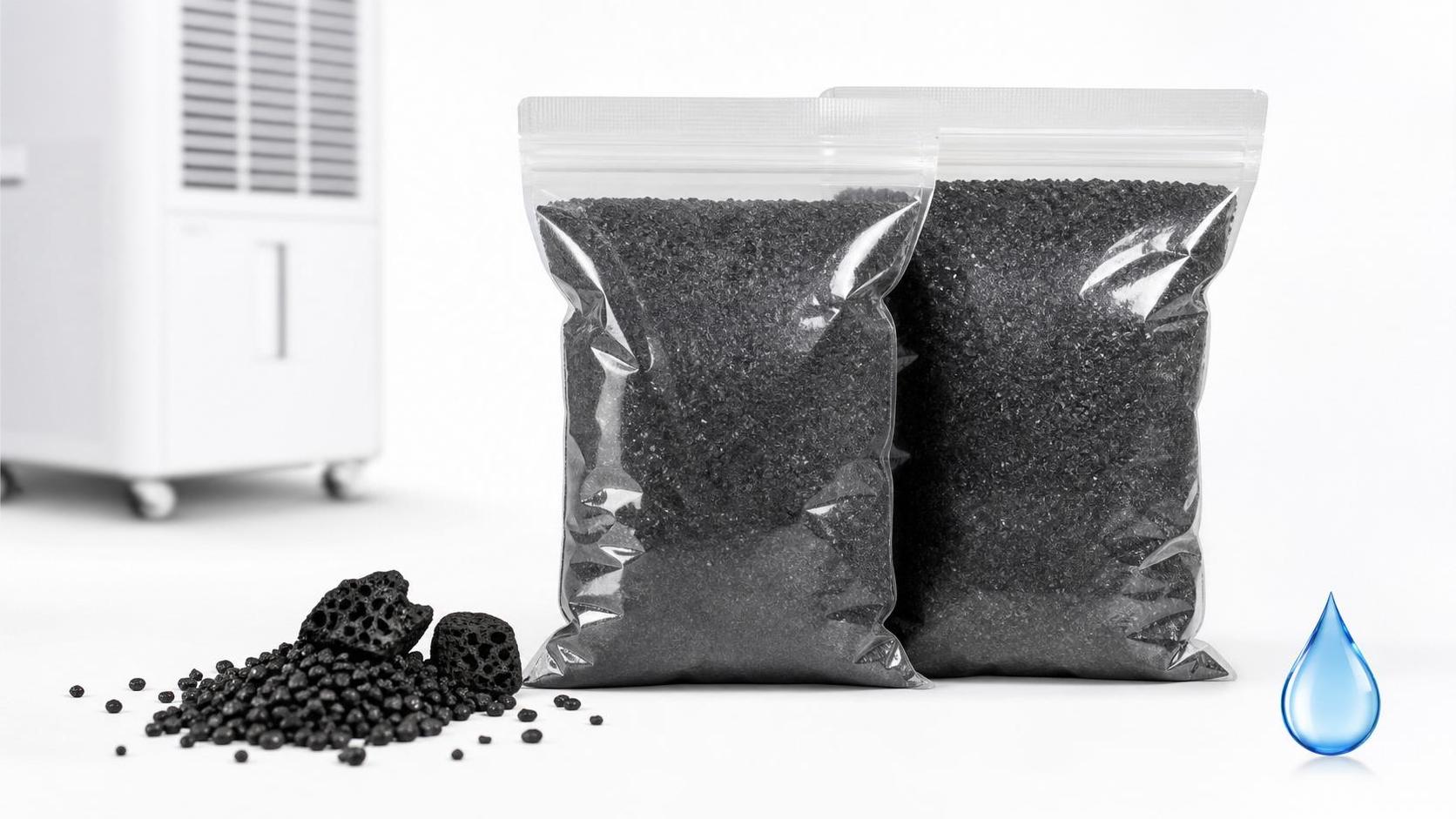
Why does Activated Charcoal lose performance faster than expected?
Activated Charcoal usually fails early for simple reasons, not exotic chemistry. In many systems, adsorption drops because handling and maintenance habits slowly work against the media.
That matters because a bed can still look normal while capture efficiency is already falling. Odor return, VOC breakthrough, color issues, or unstable outlet quality often appear only after damage has started.
In practical terms, most mistakes fall into four areas: moisture exposure, poor storage, wrong replacement timing, and incorrect operating conditions. Once these are understood, many repeat complaints become easier to prevent.
A useful reminder is that Activated Charcoal is not just a passive filler. It is a highly porous chemical adsorbent, and those pores can be blocked, saturated, or mechanically damaged by daily decisions.
Is moisture really that harmful to Activated Charcoal adsorption?
Yes, and the problem is often underestimated. Water vapor competes for pore space, especially in applications involving air purification, solvent recovery, and odor control.
When Activated Charcoal absorbs moisture first, fewer adsorption sites remain available for target contaminants. The result is not always immediate failure. More often, performance becomes inconsistent and difficult to diagnose.
A common misunderstanding is that occasional humidity only causes minor variation. In reality, repeated exposure can make a fresh charge behave like a partially spent one.
Need to watch for these signs:
- pressure drop changes without obvious dust buildup
- faster odor breakthrough after startup
- shorter service life during rainy or humid seasons
- condensation around ducting, vessels, or storage areas
If humidity cannot be avoided, the better approach is to control pretreatment, sealing, and operating temperature. Dry upstream gas and stable process conditions usually protect adsorption capacity more effectively than frequent emergency replacement.
What storage and handling errors quietly damage the media?
Storage mistakes rarely attract attention because the material still appears usable. Yet Activated Charcoal can start losing value long before it enters the filter housing.
Leaving bags open is one of the most common errors. The media then adsorbs moisture, ambient organics, and stray vapors from the surrounding area. In chemical environments, that preloading can be significant.
Another issue is rough handling. Dropping containers, excessive vibration, or careless loading can create fines. Those fines increase pressure drop, disturb flow distribution, and reduce effective bed performance.
The following table helps connect common mistakes with actual field effects:
A simple rule works well: keep Activated Charcoal sealed, dry, clean, and away from volatile chemicals until the moment of loading. That basic discipline prevents many avoidable losses.
Could the real problem be poor replacement timing rather than bad media?
Very often, yes. Activated Charcoal is sometimes blamed when the actual issue is late replacement or replacement based on guesswork rather than operating data.
Some systems run until a complaint appears. That approach looks economical at first, but it usually causes breakthrough, unstable quality, and a higher chance of downstream contamination.
The opposite mistake also happens. Replacing Activated Charcoal too early increases cost without solving root causes like humidity, flow surges, or poor bed loading.
A better maintenance decision combines several signals:
- historical runtime under similar contaminant load
- inlet and outlet concentration trend
- odor, color, or breakthrough observations
- pressure drop and airflow stability
- seasonal or batch-related process changes
When replacement intervals vary sharply from one cycle to the next, that usually points to process variation or maintenance inconsistency, not simply poor Activated Charcoal quality.
Why do flow rate, bed depth, and contact time matter so much?
Adsorption is not only about material selection. Activated Charcoal also depends on how long contaminants stay in contact with the bed and how evenly flow moves through it.
If flow is too fast, contaminants pass through before adsorption can occur efficiently. If the bed is too shallow, the mass transfer zone reaches the outlet too quickly.
Channeling is another hidden problem. When air or liquid finds an easier path, part of the Activated Charcoal remains underused while another part overloads early.
In real installations, poor packing, uneven distributors, and sudden process surges are more common than laboratory-style conditions. That is why design assumptions often look better than field results.
It helps to review these points during troubleshooting:
- actual airflow or liquid flow versus design value
- bed settling after startup or vibration
- empty space causing bypass around the media
- upstream dust or oil fouling the pore structure
Simply put, good Activated Charcoal cannot compensate for poor contact conditions. Stable adsorption needs the right media and the right operating window.
How can you tell whether Activated Charcoal is saturated, fouled, or just mismatched?
These conditions are often confused, yet they point to different corrective actions. Saturation means adsorption sites are largely occupied. Fouling means pores are blocked by dust, oil, tar, or other deposits.
A mismatched grade is different again. The Activated Charcoal may be structurally sound, but its pore distribution or form is not well suited to the target contaminant and process conditions.
A quick field judgment can start with symptom patterns:
- steady breakthrough after normal service life often suggests saturation
- sharp pressure drop increase often suggests fouling or excess fines
- poor performance from the beginning may suggest grade mismatch
- high variation between identical units may suggest loading or flow issues
When in doubt, compare operating records before changing specifications. Many costly media changes are made too early, while the real fix is pretreatment improvement or better sealing and loading practice.
What routine checks help prevent repeat adsorption complaints?
The most effective checks are usually simple and repeatable. They focus on what changes adsorption performance over time, not only on what happens at replacement day.
A practical maintenance routine for Activated Charcoal should include:
- verify packaging integrity before storage and before loading
- record humidity, temperature, and unusual process upsets
- check for dust, oil mist, or condensate upstream
- inspect bed settling and refill if voids appear
- track runtime together with outlet quality, not separately
- review replacement timing against actual contaminant load
This kind of recordkeeping makes Activated Charcoal performance easier to predict. It also helps separate media issues from equipment, process, or environmental causes.
When adsorption problems return repeatedly, the next step is not just another replacement. Review storage conditions, upstream contamination, airflow distribution, and contact time before drawing conclusions.
In the end, Activated Charcoal works best when maintenance decisions are based on evidence instead of routine alone. A short checklist, stable storage practice, and clearer replacement criteria usually deliver the biggest improvement with the least disruption.
Navigation
- Industrial Sodium Hydroxide Storage and Handling: Key Quality and Safety Control Points
- Activated Charcoal Mistakes That Reduce Adsorption Performance
- Industrial Sodium Hydroxide Purity Grades and Common Uses
- Sodium Hydroxide Price Factors That Affect Bulk Purchasing
- Sodium Hydroxide Granules vs Flakes: Which Fits Your Process?
- Sodium Cyanide Handling Risks and Storage Best Practices
Contact Us