Welcome to Visit Dayue Import and Export Guangzhou Co., Ltd.

News
Dayue Import and Export Guangzhou Co., Ltd.
Sodium Cyanide Handling Risks and Storage Best Practices
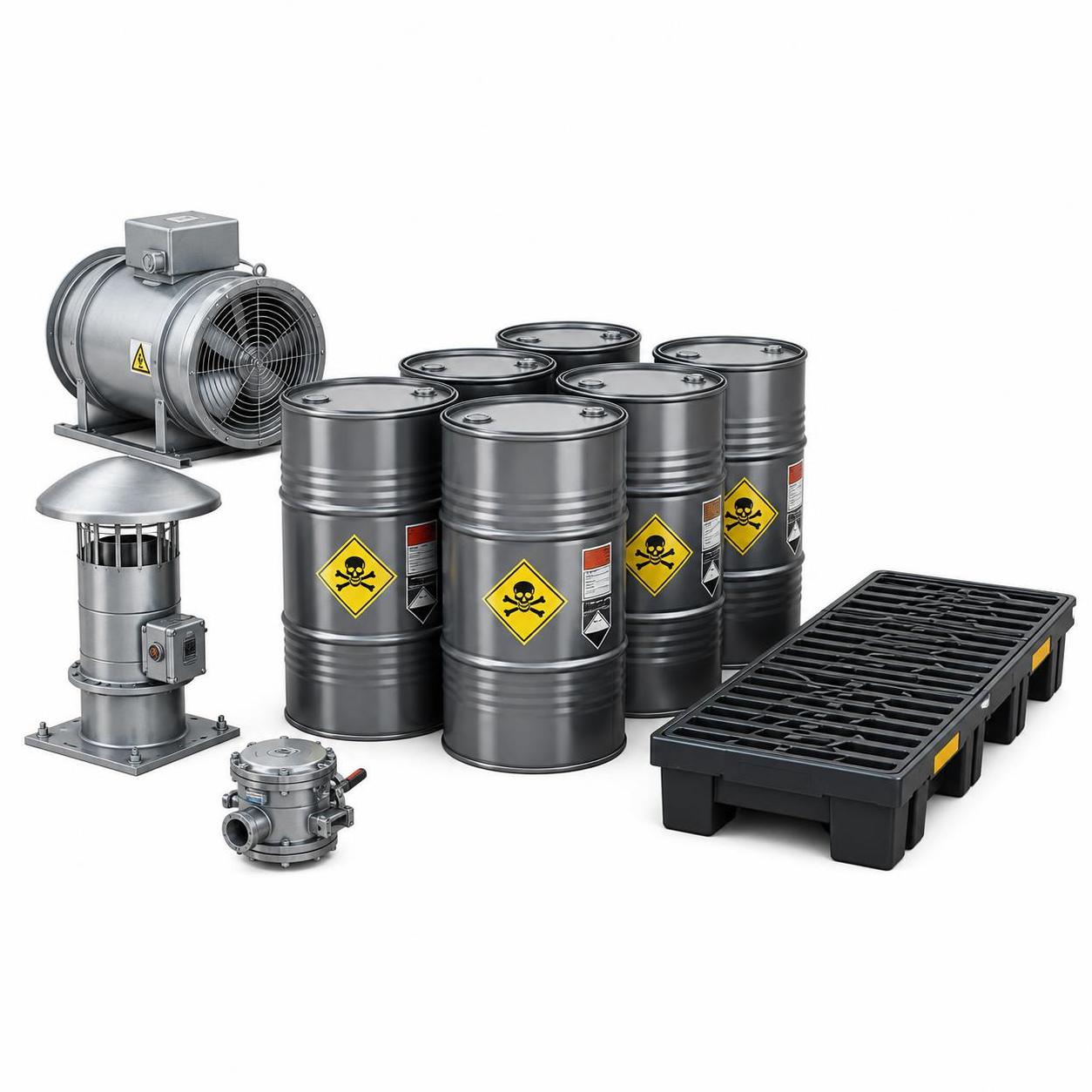
Sodium Cyanide Handling Risks and Storage Best Practices
Sodium Cyanide is a high-risk chemical that requires disciplined control from receipt to final use.
Small handling mistakes can escalate quickly, especially where moisture, acids, heat, or poor segregation are involved.
That is why practical storage rules and clear operating steps matter just as much as written compliance documents.
For sites managing Sodium Cyanide, the main goal is simple.
Prevent exposure, avoid contamination, and keep conditions stable enough to stop avoidable incidents before they begin.
This article explains the main Sodium Cyanide hazards and the storage best practices that improve control, traceability, and day-to-day safety.
Why Sodium Cyanide Handling Requires Extra Control
Sodium Cyanide is widely used in mining, electroplating, and chemical processing, but its risk profile is unusually severe.
The most critical danger appears when Sodium Cyanide contacts acids or acidic contamination.
That reaction can release hydrogen cyanide gas, which is highly toxic and may become fatal within a short exposure period.
Moisture is another major concern because it can support decomposition, surface caking, and uncontrolled contact with incompatible substances.
In actual operations, the biggest failures rarely start with one dramatic event.
They often begin with weak segregation, damaged packaging, poor housekeeping, or incomplete transfer checks.
This also means quality control and safety performance are closely linked.
When material identity, purity, and storage integrity are not consistently verified, risk increases across the whole site.
Core Handling Risks That Sites Often Underestimate
Many facilities focus on direct toxicity first, which is necessary, but not sufficient.
Several indirect risks around Sodium Cyanide handling deserve equal attention.
1. Cross-contamination with incompatible chemicals
Acids are the top incompatibility, but they are not the only one.
Oxidizers, reactive waste streams, and unknown residues in transfer tools can also create dangerous conditions.
Shared scoops, reused liners, and poorly cleaned drums are common hidden sources of contamination.
2. Moisture ingress during storage or transfer
Even a short period of exposure to humid air can affect packaging condition and material stability.
This becomes more likely during partial use, repacking, outdoor staging, or delayed unloading.
3. Dust generation and worker exposure
Powder or briquette breakage can create dust during opening, weighing, charging, or cleanup.
If local exhaust, enclosed handling, and decontamination routines are weak, personal exposure rises quickly.
4. Labeling and identification failures
Misidentified Sodium Cyanide containers create risk at every later step.
Receiving, storage, issue, emergency response, and waste management all depend on accurate labeling and batch traceability.
5. Weak emergency readiness
A site may have written procedures yet still fail under real pressure.
Missing spill kits, unclear isolation steps, or slow incident escalation can turn a manageable event into a serious release.
Sodium Cyanide Storage Best Practices That Reduce Risk
Effective Sodium Cyanide storage starts with environmental control, but it should not end there.
Good storage design supports safer handling, cleaner inspections, and faster corrective action.
Use a dry, secure, well-ventilated storage area
Store Sodium Cyanide in a cool, dry area protected from rain, standing water, and excess humidity.
Access should be restricted, monitored, and limited to trained personnel.
Ventilation should prevent buildup of hazardous conditions without introducing uncontrolled moisture.
Separate Sodium Cyanide from incompatible materials
Never store Sodium Cyanide near acids, acidic cleaners, oxidizers, food materials, or general mixed chemicals.
Physical segregation should be clear, documented, and visible during routine inspections.
A painted floor line alone is not enough for high-risk chemical separation.
Keep original packaging intact whenever possible
Original containers are usually designed for compatibility, identification, and controlled transport.
If repacking is unavoidable, use approved containers and update all labels immediately.
Temporary handwritten markings should never replace full hazard communication.
Control inventory age and package condition
Use lot control and first-in, first-out practices where operationally suitable.
Inspect seals, liners, outer drums, and pallet condition on a defined schedule.
Any damaged Sodium Cyanide package should be isolated and assessed under a formal response procedure.
Practical Handling Controls for Daily Operations
Storage controls matter, but most exposure events happen during movement, opening, transfer, or cleanup.
The safest Sodium Cyanide program turns high-level rules into repeatable daily actions.
- Verify the work area before handling starts. Confirm no acids, water sources, incompatible tools, or unapproved containers are present.
- Use dedicated equipment. Scoops, transfer devices, pallets, and waste containers should be assigned only to Sodium Cyanide service.
- Minimize dust release. Use enclosed transfer methods where possible and avoid dropping, crushing, or sweeping dry material aggressively.
- Control access during handling. Non-essential traffic increases distraction, error potential, and accidental exposure.
- Apply clear decontamination steps after use. Tools, surfaces, and PPE zones should follow written cleanup and inspection rules.
- Record batch movement and usage. Good documentation helps investigations, stock control, and compliance reviews.
Where process volume is high, these controls should be reinforced through permits, checklists, and supervisor sign-off.
That extra structure often catches weak signals before they become release events.
Inspection Points for Quality and Safety Teams
Routine inspections are most effective when they look beyond surface tidiness.
For Sodium Cyanide, inspections should test whether controls still work under real operating conditions.
- Are storage humidity, temperature, and ventilation conditions within the site standard?
- Are containers intact, sealed, legible, and matched to inventory records?
- Is Sodium Cyanide physically separated from acids and other incompatible materials?
- Are transfer tools dedicated, clean, and stored in the correct area?
- Are spill response supplies complete, accessible, and understood by the shift team?
- Do operating logs show traceable movement, abnormal findings, and timely corrective action?
A strong inspection program also checks behavior, not just equipment condition.
If operators routinely bypass one control, the procedure may need redesign, not just retraining.
Common Storage and Handling Mistakes to Eliminate
Some Sodium Cyanide incidents come from obvious violations, but many come from normalized shortcuts.
The following mistakes deserve immediate attention.
- Storing Sodium Cyanide near acid wash stations or mixed maintenance chemicals.
- Leaving partial containers open longer than necessary during batching or transfer.
- Using general-purpose cleanup tools that may carry unknown residues.
- Accepting faded labels, damaged pallets, or incomplete receiving checks.
- Treating emergency preparedness as a document exercise rather than a field-tested capability.
Removing these gaps usually delivers fast safety gains without major capital spending.
In many facilities, better discipline and clearer ownership produce the biggest improvement.
Building a More Reliable Sodium Cyanide Control Program
A reliable Sodium Cyanide management system is not built on one rule or one training session.
It depends on aligned storage standards, disciplined handling, verified inspections, and realistic emergency preparation.
The most resilient sites treat Sodium Cyanide control as an active process, not a static requirement.
Review segregation rules, inspect package integrity, tighten transfer routines, and test incident readiness before a weak point is exposed.
When those basics are consistently executed, exposure risk drops, compliance becomes easier to defend, and chemical management becomes far more dependable.
Navigation
- Industrial Sodium Hydroxide Storage and Handling: Key Quality and Safety Control Points
- Activated Charcoal Mistakes That Reduce Adsorption Performance
- Industrial Sodium Hydroxide Purity Grades and Common Uses
- Sodium Hydroxide Price Factors That Affect Bulk Purchasing
- Sodium Hydroxide Granules vs Flakes: Which Fits Your Process?
- Sodium Cyanide Handling Risks and Storage Best Practices
Contact Us