Welcome to Visit Dayue Import and Export Guangzhou Co., Ltd.

News
Dayue Import and Export Guangzhou Co., Ltd.
2026 Sodium Cyanide Market Outlook: Supply, Demand, and Risk
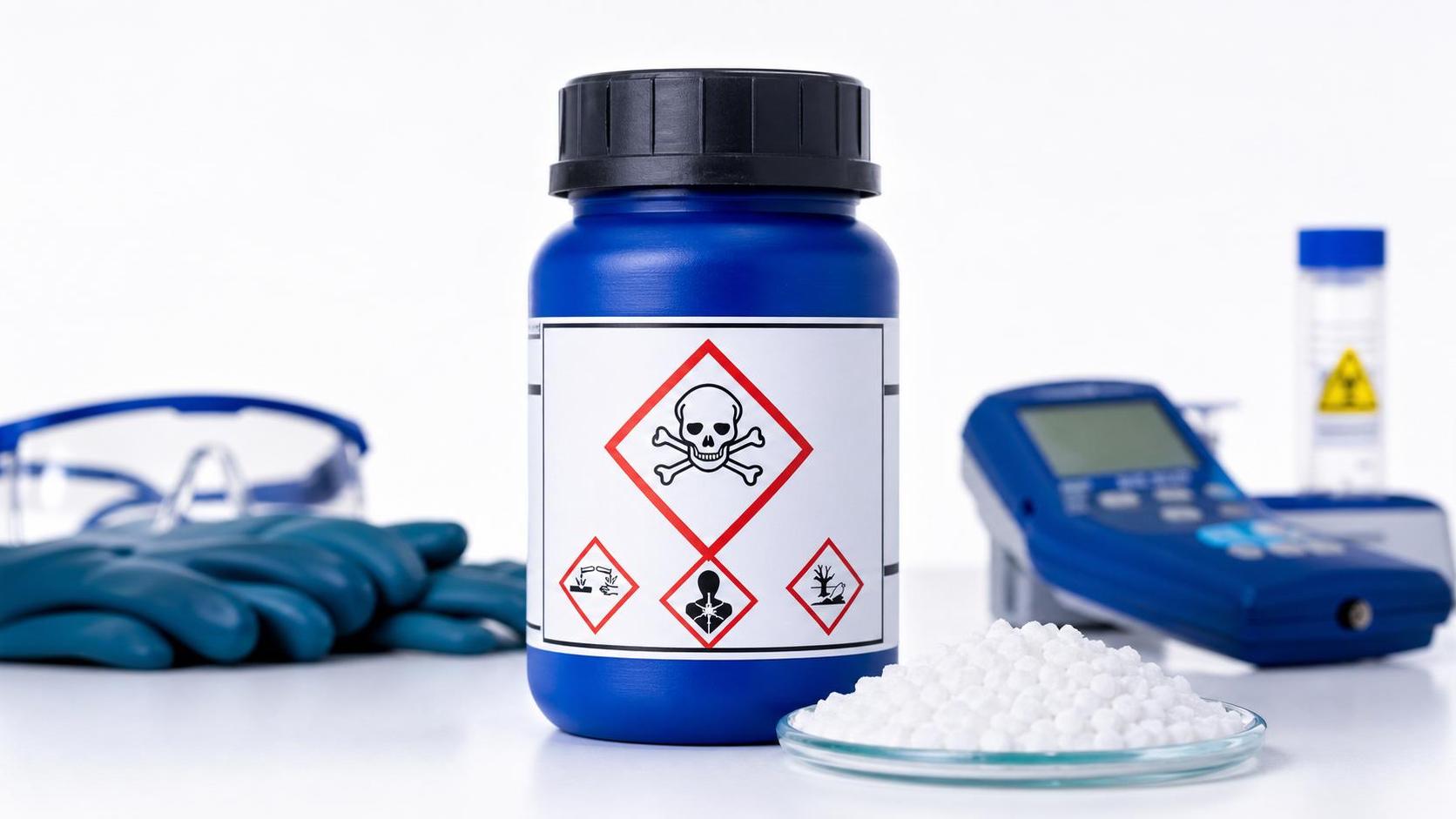
As regulatory pressure rises across the chemicals sector, the 2026 Sodium Cyanide market outlook deserves close attention. Supply chains are becoming less predictable, mining demand remains structurally important, and cost volatility is reshaping pricing discipline.
That combination matters because Sodium Cyanide sits at the intersection of strategic raw materials, hazardous chemical handling, and export-sensitive trade. In 2026, market direction will likely be defined less by headline demand alone and more by who can secure reliable supply, manage compliance exposure, and respond quickly to regional shifts.
Why Sodium Cyanide remains a closely watched chemical
Sodium Cyanide is a highly toxic inorganic compound used mainly in gold extraction. It also appears in selected chemical synthesis routes, electroplating activities, and intermediate processing where cyanide chemistry remains technically necessary.
Its market profile is unusual. Volumes are concentrated in a few downstream sectors, yet procurement decisions involve safety systems, transport approvals, storage controls, and environmental accountability.
This means the Sodium Cyanide market is not judged only by tonnage. It is also judged by logistics resilience, producer credibility, contract structure, and the ability to maintain uninterrupted operations under tighter scrutiny.
The 2026 supply picture is shaped by concentration and control
Global Sodium Cyanide supply is relatively concentrated compared with broader commodity chemicals. Production often sits near major mining corridors or in regions with established hazardous chemical manufacturing infrastructure.
That concentration creates efficiency, but it also introduces risk. A disruption at a limited number of producers can affect availability across multiple end markets, especially where import dependence is high.
Key forces likely to influence supply in 2026
- Feedstock cost swings, especially for energy and upstream chemical inputs.
- More demanding environmental permits and operating audits.
- Transport restrictions for hazardous materials across ports and inland routes.
- Periodic trade realignment caused by sanctions, licensing, or regional policy shifts.
- Maintenance shutdowns or capacity constraints at major production sites.
In practical terms, the 2026 Sodium Cyanide market may not face a universal shortage. However, local tightness can still emerge quickly when compliance delays or freight disruptions interrupt normal shipment patterns.
Demand is still anchored by mining, but not in a simple way
Gold mining remains the dominant demand driver for Sodium Cyanide. The relationship is straightforward on the surface: stable or rising gold output supports reagent demand.
Yet demand in 2026 will depend on more than production volume. Ore grade, processing intensity, mine expansions, recovery targets, and inventory practices all influence actual consumption rates.
Chemical processing contributes a smaller share, but it still matters. These applications can be less visible than mining, while remaining important in regional market balance and contract allocation.
Demand signals worth monitoring
A balanced reading suggests moderate underlying demand strength, with sharper regional variations than global averages might imply.
Pricing will reflect risk premiums as much as chemical fundamentals
Sodium Cyanide pricing is influenced by production economics, but 2026 may place greater emphasis on risk premiums. Reliable, compliant, and logistically stable supply often commands an advantage over nominal low-cost offers.
This is especially relevant where deliveries require specialized packaging, approved transport corridors, and emergency response readiness. The delivered cost can diverge sharply from the ex-works price.
Longer contract cycles may become more attractive in uncertain regions. At the same time, overly rigid agreements can reduce flexibility if demand softens or sourcing conditions improve.
Common pricing pressures in the current market
- Energy inflation affecting production costs.
- Freight volatility for hazardous cargo.
- Insurance and compliance overhead.
- Regional supply imbalances during outages or route changes.
- Premiums for secure delivery and technical support.
Risk management is becoming central to market participation
No outlook for Sodium Cyanide is complete without addressing risk directly. This is a product category where operational, regulatory, environmental, and reputational risks are tightly connected.
A supply decision that looks efficient on paper may become expensive if it increases exposure to handling incidents, documentation gaps, or shipment delays. In many cases, the hidden cost sits outside the invoice.
Where risk is most likely to intensify in 2026
Regulation is one factor. Authorities in several markets are tightening expectations around hazardous chemical storage, transport, traceability, and emergency planning.
Geopolitics is another. Trade barriers, customs scrutiny, and route disruption can suddenly affect Sodium Cyanide availability, even when production capacity remains intact.
Then there is supplier concentration. When a market relies on a small set of qualified sources, resilience depends on backup options, not just preferred partners.
How to read the market in practical business terms
For 2026, the most useful lens is not simply whether the Sodium Cyanide market is bullish or bearish. A more relevant question is how exposed an operation is to interruption, cost spikes, or compliance friction.
Market understanding improves when commercial and operational variables are reviewed together. Price, supply assurance, packaging format, transport capability, documentation quality, and technical service all affect outcomes.
This broader view is often where competitive advantage appears. In a sensitive market, disciplined procurement can protect margins more effectively than chasing the lowest nominal quote.
What deserves attention over the next planning cycle
Several indicators should stay on the watchlist as 2026 approaches. Producer operating rates matter, but so do shipping access, permit timing, and inventory behavior across major mining regions.
It is also worth comparing supplier claims against execution capability. In the Sodium Cyanide market, dependable delivery performance and strong compliance systems can matter more than aggressive offer sheets.
- Track regional supply concentration and backup source availability.
- Review total delivered cost, not only product price.
- Assess how changing mining demand may affect local tightness.
- Recheck incident response, storage readiness, and documentation quality.
- Update contract terms where volatility and compliance risks have changed.
The 2026 Sodium Cyanide market outlook points to a year where execution quality will matter as much as market timing. A clear next step is to reassess supply exposure, align procurement with operational risk, and use current market signals to build a more resilient sourcing framework.
Navigation
- Industrial Sodium Hydroxide Storage and Handling: Key Quality and Safety Control Points
- Activated Charcoal Mistakes That Reduce Adsorption Performance
- Industrial Sodium Hydroxide Purity Grades and Common Uses
- Sodium Hydroxide Price Factors That Affect Bulk Purchasing
- Sodium Hydroxide Granules vs Flakes: Which Fits Your Process?
- Sodium Cyanide Handling Risks and Storage Best Practices
Contact Us