Welcome to Visit Dayue Import and Export Guangzhou Co., Ltd.

News
Dayue Import and Export Guangzhou Co., Ltd.
How Industrial Activated Carbon Improves Air Filtration Efficiency
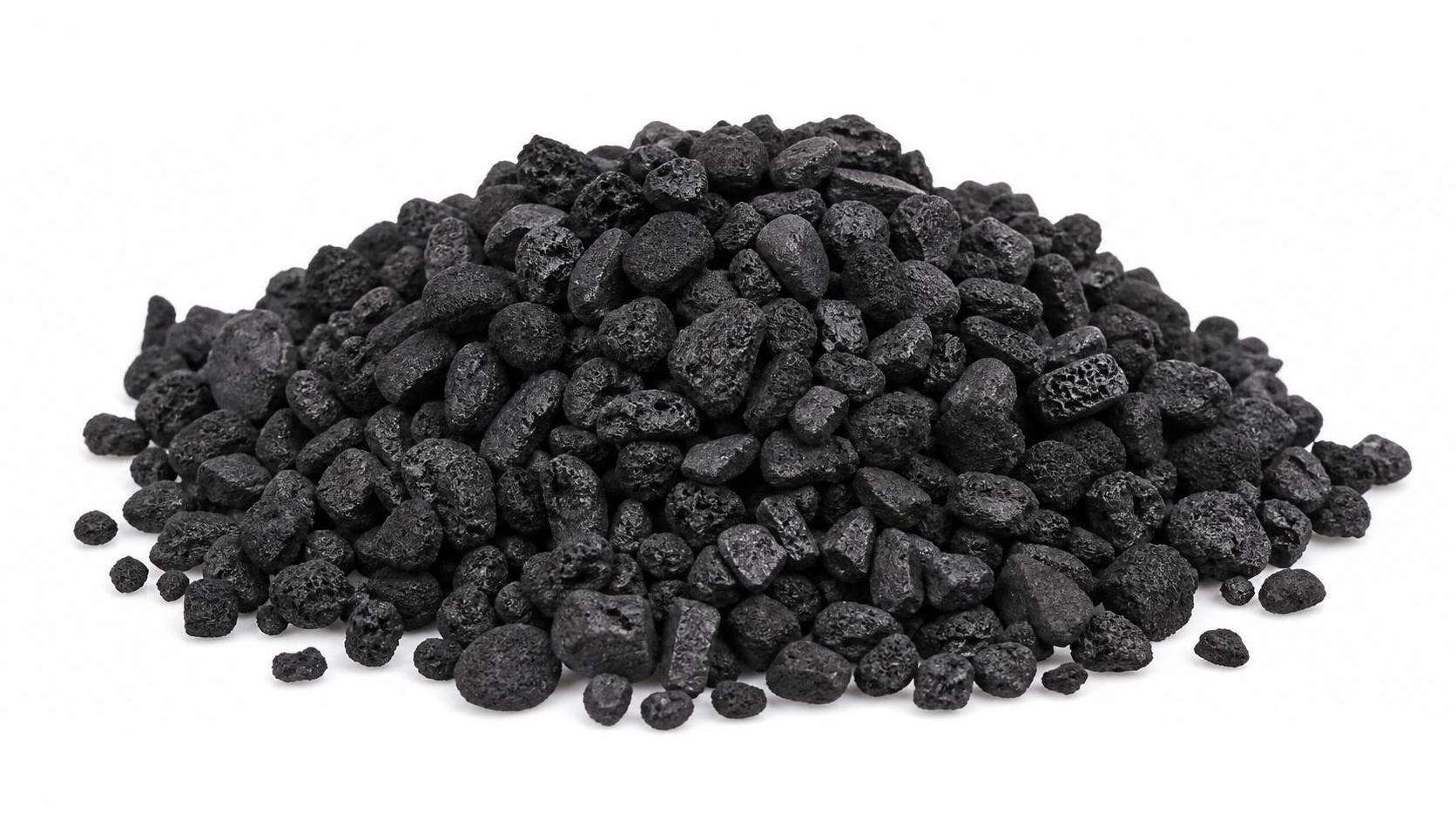
How Industrial Activated Carbon Improves Air Filtration Efficiency
Industrial Activated Carbon plays a vital role in air treatment across chemical processing environments.
It helps remove harmful gases, persistent odors, and volatile organic compounds before they spread through production areas.
That matters for both process stability and daily operating safety.
In practical terms, better filtration means cleaner airflow, less corrosion risk, and more predictable equipment performance.
It also reduces nuisance smells that often signal deeper contamination issues.
For chemical operations, Industrial Activated Carbon is not just a filler material.
It is a working adsorption medium that directly affects filtration efficiency.
When selected and maintained correctly, it supports cleaner exhaust, longer filter life, and steadier compliance performance.
This article explains how Industrial Activated Carbon works, where it performs best, and what factors most influence results.
Why Air Filtration Efficiency Matters in Chemical Environments
Chemical facilities often deal with mixed airborne pollutants rather than one simple contaminant.
These may include solvents, acid gases, sulfur compounds, process fumes, and low-level organic vapors.
If those pollutants stay in circulation, filtration systems lose effectiveness over time.
The result can be uneven airflow, odor complaints, sensor drift, or premature wear on downstream equipment.
More importantly, poor air handling can create unsafe working conditions in enclosed areas.
This is where Industrial Activated Carbon adds real operational value.
Its porous structure traps gas-phase contaminants that standard particulate filters cannot capture well.
So while pre-filters handle dust and aerosols, Industrial Activated Carbon targets the invisible compounds that reduce air quality.
That separation of roles is one reason modern multi-stage systems work better than single-media setups.
Common air quality problems it helps solve
- Persistent solvent odors near blending, storage, or transfer points
- VOC buildup in enclosed processing rooms
- Corrosive gas exposure affecting ducting, fans, or instruments
- Short filter change intervals caused by mixed contaminants
- Air discharge concerns linked to compliance and odor control
From a systems perspective, improved air filtration efficiency reduces more than emissions.
It also lowers process interruptions and keeps ventilation assets working within a more stable range.
How Industrial Activated Carbon Captures Airborne Contaminants
The core mechanism is adsorption, not absorption.
That distinction matters because contaminants attach to the carbon surface instead of soaking into the material.
Industrial Activated Carbon contains a large network of micropores and mesopores.
Those pores create a very high internal surface area for gas molecules to contact.
As contaminated air passes through the bed, target molecules are retained on that surface.
This is especially effective for VOCs, odors, hydrocarbons, and many organic compounds.
Some chemical environments also use impregnated carbon for stronger removal of specific gases.
In that case, the Industrial Activated Carbon does more than physical adsorption.
It supports chemical interaction with compounds such as hydrogen sulfide, ammonia, or acid gases.
Key performance drivers
- Pore structure must match the contaminant profile.
- Contact time must be long enough for effective adsorption.
- Bed depth must support real operating loads.
- Humidity and temperature must stay within workable limits.
- Airflow distribution must remain even across the carbon bed.
When one of these factors is off, even high-quality Industrial Activated Carbon can underperform.
That is why selection should always connect material properties to actual plant conditions.
Where Industrial Activated Carbon Delivers the Most Value
Not every air filtration challenge looks the same.
Still, several chemical processing scenarios consistently benefit from Industrial Activated Carbon.
1. Solvent handling and storage areas
Tank vents, filling stations, and drum rooms often release intermittent VOC peaks.
Industrial Activated Carbon helps smooth out those peaks before they spread into surrounding work zones.
2. Process exhaust treatment
Exhaust streams from reactors, dryers, or mixing lines can carry odor and organic vapor loads.
A properly designed Industrial Activated Carbon bed improves discharge quality and supports stable outlet performance.
3. Corrosion-sensitive ventilation systems
Trace gases can quietly damage fans, ducts, and electronic controls.
Industrial Activated Carbon reduces that exposure, which often lowers maintenance pressure over time.
4. Indoor odor control near production lines
Odor issues are not always cosmetic.
They can point to incomplete capture, poor ventilation balance, or carbon breakthrough.
Using Industrial Activated Carbon in recirculation or local extraction systems often brings faster improvement.
In each case, the goal is not only cleaner air.
The bigger advantage is a more controlled process environment.
How to Choose the Right Industrial Activated Carbon
One common mistake is choosing carbon only by price or general grade name.
That approach often leads to short service life or poor capture efficiency.
A better decision starts with the contaminant profile.
Selection points that matter most
- Target compounds: Identify VOCs, acid gases, sulfur compounds, or mixed odors.
- Carbon type: Compare granular, pelletized, powdered, or impregnated options.
- Particle size: Balance pressure drop against available surface area.
- Operating conditions: Review airflow, humidity, temperature, and concentration swings.
- Equipment design: Match the Industrial Activated Carbon to tray, cartridge, or deep-bed format.
In real operations, moisture deserves special attention.
High humidity can compete for adsorption sites and reduce effective contaminant capture.
Likewise, sudden concentration spikes can saturate carbon faster than expected.
That means the best Industrial Activated Carbon solution is usually site-specific rather than generic.
Quick comparison table
Practical Steps to Improve Filtration Performance
Even a strong carbon product needs the right operating routine.
Small setup changes often produce meaningful gains in air filtration efficiency.
A practical operating checklist
- Use pre-filtration to remove dust before air reaches the carbon stage.
- Check airflow uniformity to prevent channeling through the carbon bed.
- Monitor pressure drop trends instead of waiting for obvious failure signs.
- Track odor return, VOC readings, or breakthrough indicators on a schedule.
- Replace Industrial Activated Carbon based on actual loading data when possible.
- Store unused carbon in sealed conditions to limit moisture uptake.
From recent operating trends, more facilities are shifting toward data-based replacement intervals.
That change helps avoid both early disposal and late replacement.
In other words, Industrial Activated Carbon performs best when it is part of a managed filtration strategy.
Common Risks That Reduce Industrial Activated Carbon Efficiency
Performance issues usually come from operating mismatch, not from carbon alone.
A few recurring risks show up across many chemical sites.
- Undersized beds that cannot handle peak contaminant loads
- Poor sealing that lets untreated air bypass the carbon stage
- High moisture conditions without proper carbon selection
- Mixed contaminants that require impregnated media, not standard grades
- Long replacement delays after breakthrough begins
The clearer signal is often not a dramatic failure.
It may appear as a slow return of odor, a rise in outlet concentration, or more frequent maintenance on nearby equipment.
Spotting those early signs helps keep Industrial Activated Carbon working at its intended level.
Final Takeaway
Industrial Activated Carbon improves air filtration efficiency by capturing gases and vapors that ordinary particle filters miss.
Its value becomes even clearer in chemical environments where odor control, VOC removal, and corrosion protection matter every day.
The strongest results come from matching the carbon type to the contaminant, airflow, and operating conditions.
Regular monitoring, proper bed design, and timely replacement also make a measurable difference.
If air filtration performance needs improvement, start by reviewing pollutant sources, current media choice, and breakthrough timing.
That practical review usually reveals where Industrial Activated Carbon can deliver the fastest gains.
Navigation
- Industrial Sodium Hydroxide Storage and Handling: Key Quality and Safety Control Points
- Activated Charcoal Mistakes That Reduce Adsorption Performance
- Industrial Sodium Hydroxide Purity Grades and Common Uses
- Sodium Hydroxide Price Factors That Affect Bulk Purchasing
- Sodium Hydroxide Granules vs Flakes: Which Fits Your Process?
- Sodium Cyanide Handling Risks and Storage Best Practices
Contact Us